
[PT]
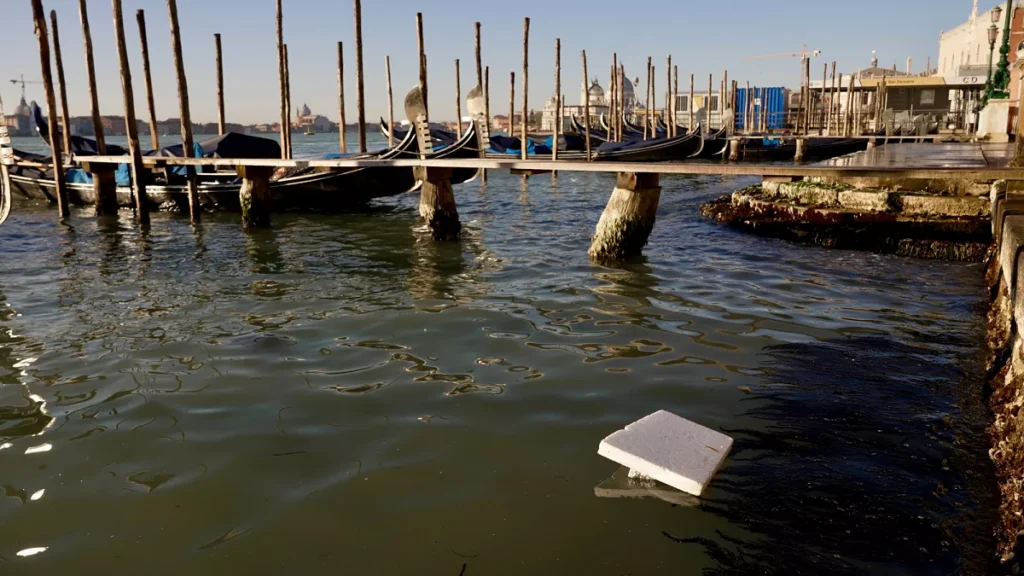
A poluição plástica representa uma ameaça significativa para os nossos oceanos, colocando em risco tanto a vida marinha quanto a saúde humana. Em resposta, o consórcio do projeto MAELSTROM implementou tecnologias inovadoras em Portugal e Itália para enfrentar este problema urgente: uma Bubble Barrier em Vila do Conde e uma Plataforma Robótica em Veneza
O trabalho desenvolvido pela equipa do CIIMAR (com docentes do DBio da FCUP) foi destacado num episódio do programa Ocean na Euronews!
O CIIMAR conduziu várias campanhas científicas através de diversas avaliações ambientais no Estuário do Rio Ave, para avaliar a eficiência e o impacte da Bubble Barrier no ecossistema estuarino, e para caracterizar o lixo recolhido pela tecnologia.
Além disso, o CIIMAR foi responsável pela mobilização de diversas partes interessadas em vários setores, a nível local, regional, nacional e internacional, promovendo o envolvimento dos cidadãos, a criação de redes estratégicas e apoiando o desenvolvimento de políticas, todas elas cruciais para a implementação bem-sucedida desta tecnologia inovadora e sustentável.
Juntamente com os parceiros do projeto—CIIMAR, The Great Bubble Barrier e a Universidade de Malta—a Câmara Municipal de Vila co-projetou e cofinanciou a tecnologia. Outros intervenientes regionais e nacionais, como a Docapesca, Portos e Lotas S.A., a Agência Portuguesa do Ambiente (APA), a Capitania do Porto de Vila do Conde, a LIPOR e o CMIA de Vila do Conde foram também cruciais para o sucesso da implementação da Bubble Barrier.
O programa estará também disponível no site, com um artigo dedicado:
Desenvolvida através de uma colaboração entre autoridades locais e instituições científicas, a Bubble Barrier demonstra como o envolvimento da comunidade e a inovação tecnológica podem resolver desafios ambientais de forma eficaz.
Os esforços pioneiros de Vila do Conde e Veneza mostram o poder de mudança da ciência, tecnologia, investigação e ação coletiva na luta contra a poluição plástica nos oceanos. Ao atuar tanto na origem do problema quanto nos ecossistemas afetados, estas iniciativas são um exemplo inspirador para a proteção ambiental global!
[EN]
Plastic pollution poses a significant threat to our oceans, endangering both marine life and human health. In response, the MAELSTROM project consortium has implemented ground-breaking technologies in Portugal and Italy to address this pressing issue: a Bubble Barrier in Vila do Conde and a Robotic Seabed Cleaning Platform in Venice.
The work developed by the CIIMAR team (with professors from DBio at FCUP) was featured in a dedicated episode of Ocean on Euronews.
CIIMAR has conducted thorough scientific research through multiple environmental assessments in the Ave Estuary to evaluate the efficiency and impact of the Bubble Barrier on the estuarine ecosystem and to characterise the litter collected by the technology.
Additionally, CIIMAR was responsible for engaging various stakeholders across multiple sectors, at local, regional, national, and international levels, fostering citizen involvement, strategic networking, and supporting policy development, all of which were crucial for the successful implementation of this innovative and sustainable technology.
Together with the project partners—CIIMAR, The Great Bubble Barrier, and the University of Malta—the Municipality of Vila do Conde co-designed and co-funded the technology. Other national stakeholders, such as Docapesca, Portos e Lotas S.A., the Portuguese Environmental Agency (APA), the Vila do Conde Port Captaincy, LIPOR and CMIA were also crucial for the successful implementation of the Bubble Barrier.
The program will also be available on the website:
Developed through a collaborative effort involving local authorities and scientific institutions, the Bubble Barrier exemplifies how community engagement and technological innovation can effectively address environmental challenges.
These pioneering efforts showcase the capacity of change when combining science, technology, research, and community action to combat ocean plastic pollution. By addressing the issue at both its source and within affected waterways, Vila do Conde and Venice are setting inspiring examples for global environmental stewardship.